7 Ways to Learn French for Free in Canada (Worth Your Time in 2026)

Yes, you can learn French for free in Canada, and your options are more robust than you might expect. From government-funded programs designed specifically for Canadians to digital apps, library resources, and vibrant community exchanges, no-cost pathways exist for every learning style and schedule. The catch? Free learning requires self-direction and discipline. While structured, personalized instruction accelerates fluency and keeps you accountable, the resources outlined below offer genuine opportunities to build vocabulary, improve pronunciation, and immerse yourself in Francophone culture without spending a dollar.
The barrier to learning French isn’t cost anymore. It’s knowing where to look and committing to consistent practice. Whether you’re aiming for conversational confidence, preparing for a bilingual job opportunity, or simply exploring the beauty of la langue française, the seven strategies below will help you start speaking, reading, and understanding French today. Each option has been vetted for quality and true zero-cost access, so you can choose the mix that fits your life and learning goals.
How We Selected These Free French Learning Options
We didn’t just compile a random collection of free resources. Each option in this guide passed through a rigorous evaluation process designed to ensure it delivers real value for Canadian learners.
Our selection criteria included:
- Accessibility for Canadians: available nationwide or widely across provinces, with no geographic restrictions
- Instructional quality: legitimate teaching methods backed by language acquisition principles, not just vocabulary drills
- Cultural immersion: exposure to Francophone culture, authentic accents, and real-world French usage
- Flexibility: adaptable to different schedules, learning paces, and proficiency levels
- Long-term viability: sustainable for months of consistent use without hitting paywalls or burning out
We prioritized resources that motivated learners can realistically stick with over time. That last criterion matters because many free tools work brilliantly for a few weeks before becoming repetitive or hitting limitations that stall progress.
Yes, professional French language learning programs offer personalized feedback, structured curricula, and accountability that accelerate your progress. But these free options provide genuinely solid foundations. If you bring motivation and consistency, you can build substantial French skills without spending a dollar. The key is choosing resources that match your learning style and committing to a realistic routine.
1. Government-Funded French Programs, Official and Comprehensive
Government-funded French programs represent the gold standard of free language learning in Canada. These aren’t watered-down alternatives, they’re legitimate, structured courses taught by certified instructors who follow proven curricula.
If you’re a newcomer to Canada, you’ve likely heard of Language Instruction for Newcomers to Canada (LINC) or Cours de langue pour les immigrants au Canada (CLIC). Both programs offer free French training designed to help you integrate into Canadian society. You’ll need to complete a language assessment first, but once accepted, you’ll access professional instruction that covers speaking, listening, reading, and writing skills. Classes typically run several times per week, and childcare assistance is often available.
Federal public servants have access to French language training through their departments. The Treasury Board Secretariat funds these programs to help employees meet official language requirements. If you work in the federal government, check with your HR department about available courses, many offer full-time intensive programs or part-time evening classes.
Provincial programs vary by region. Ontario offers free French classes through school boards and community organizations. Quebec provides francisation courses for newcomers and long-term residents looking to improve their French. British Columbia funds settlement language programs that include French options in certain communities.
Finding programs in your area starts with a simple web search for “[your city] free French classes government” or by contacting your local settlement agency. Immigration, Refugees and Citizenship Canada (IRCC) maintains a database of funded language providers. Public libraries often keep updated lists of government programs, they’re among the best resources for discovering what’s available locally.
These programs typically require proof of residency and may have waitlists during peak enrollment periods, so apply early.
2. Public Library French Resources, Local and Accessible
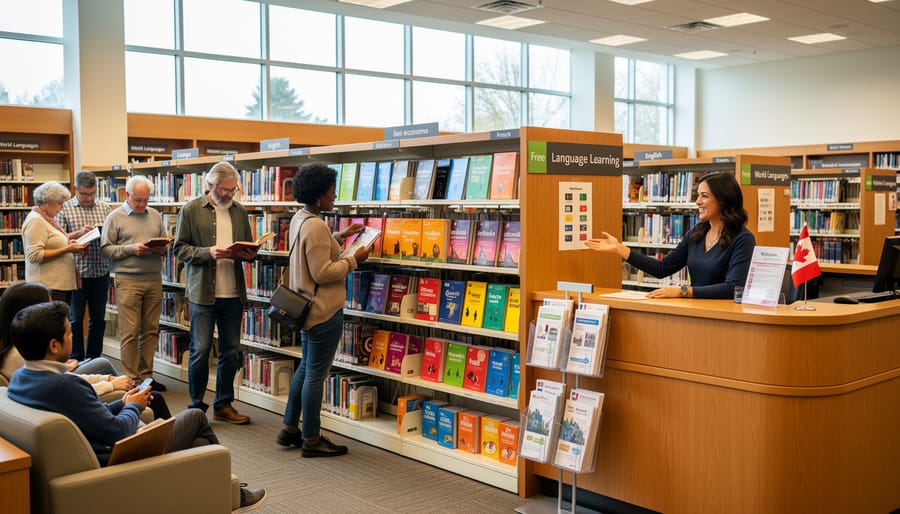
Your local public library is one of Canada’s best-kept secrets for free French learning. Most Canadian libraries provide access to premium language platforms like Mango Languages, Transparent Language Online, and Rosetta Stone, subscriptions that would cost hundreds of dollars annually. These interactive tools offer structured lessons, speech recognition practice, and progress tracking, all accessible from home with just your library card number.
Beyond digital platforms, libraries stock French-language books for all levels, from children’s picture books (excellent for beginners building vocabulary) to contemporary novels by Francophone authors. Audiobooks let you absorb natural pronunciation during commutes, while French films and TV series on DVD provide entertaining cultural immersion. Many libraries also host free French conversation circles where you can practice speaking with fellow learners in a relaxed, supportive environment.
Getting started is straightforward. Visit your local branch to register for a library card, you’ll typically need proof of address and identification. Once registered, ask about language learning resources at the reference desk or check your library’s website for digital access instructions. Most systems let you browse and borrow e-books, audiobooks, and streaming content remotely.
The cultural immersion aspect sets library resources apart. Reading Michel Tremblay or watching films from Québec connects you to real Francophone voices and perspectives, not just textbook French. Combine a language app’s structured lessons with library materials for a well-rounded, completely free learning approach.
3. Duolingo and Language Learning Apps, Convenient Daily Practice
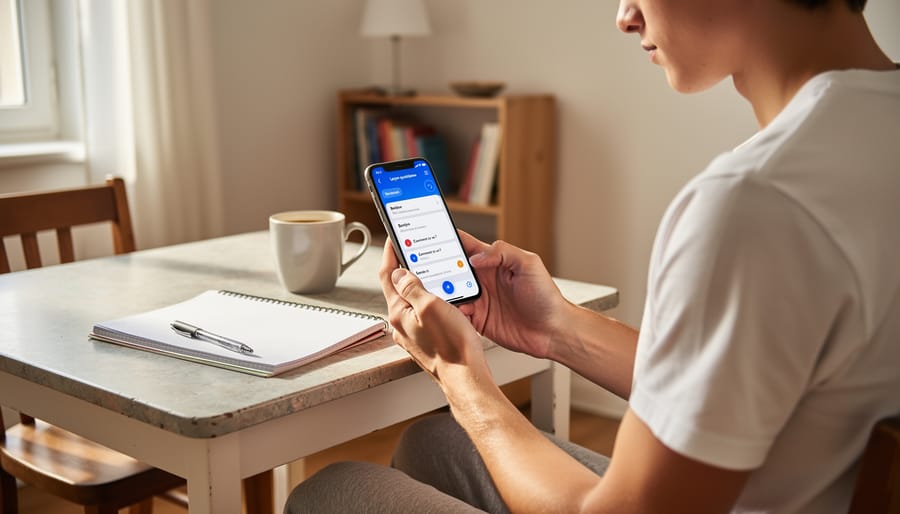
Language learning apps have revolutionized how Canadians can study French on their phones during commutes, lunch breaks, or before bed. Duolingo leads the pack with its completely free tier (no time limits, unlike many “freemium” apps), offering structured French lessons that build vocabulary and grammar through game-like exercises. You’ll earn points, maintain streaks, and unlock levels as you progress through bite-sized lessons covering everything from basic greetings to subjunctive tenses.
Memrise’s free version takes a different approach, using spaced repetition and mnemonic techniques to help vocabulary stick in your long-term memory. The app includes video clips of native French speakers, exposing you to real accents from Quebec, France, and other Francophone regions. HelloTalk shifts the focus entirely to conversation by connecting you with French speakers worldwide for text, voice, and video exchanges. You’ll get real-time practice while helping someone improve their English.
The catch? Apps excel at building vocabulary recognition and teaching grammar patterns through repetition, but they can’t replace speaking practice with a real person who corrects your pronunciation. The feedback is algorithmic, not personalized to your specific struggles. You might nail written exercises while still freezing in actual conversation.
Think of these apps as your daily French vitamin, not the complete meal. They work brilliantly for consistent exposure and reinforcing what you learn elsewhere. Pair Duolingo’s structured lessons with HelloTalk conversations and you’ve created a solid free practice routine that fits around your schedule.
4. YouTube French Channels and Podcasts, Immersive Self-Study
YouTube and podcasts deliver something textbooks can’t: real French voices, natural rhythm, and cultural nuance. You’ll hear how native speakers actually talk, not just memorize conjugation charts.
FrenchPod101 offers structured lessons from absolute beginner through advanced, with downloadable transcripts and vocabulary lists. Their video library covers everything from pronunciation basics to idiomatic expressions you’ll actually hear in conversation. Learn French with Alexa breaks down grammar concepts with clear explanations and plenty of examples, perfect if you learn better through traditional instruction. For intermediate learners, InnerFrench (Hugo’s channel and podcast) presents slower-paced discussions on French culture, history, and daily life, designed specifically for learners ready to move beyond textbook French.
Podcasts shine during commutes and workouts. Coffee Break French walks you through progressive lessons you can follow while doing other tasks. News in Slow French delivers current events at reduced speed, helping you build vocabulary around real-world topics.
The trap with free video content is endless scrolling without progress. Create a weekly schedule: pick three videos per week aligned with your current level, watch each twice, and take notes on new vocabulary. Treat it like a class, not entertainment. Set specific goals for each session rather than passively consuming content. Pair these resources with active practice, using what you learn in conversation exchanges or writing exercises. The content is excellent, but only if you approach it with intention.
5. French Conversation Exchanges, Real Practice with Native Speakers
Nothing beats real conversation for building confidence in French, and language exchange platforms connect you with native French speakers who want to practice English, completely free. Apps like Tandem and HelloTalk match you with language partners worldwide, while ConversationExchange helps you find local or online exchange buddies. Many Canadian cities also host in-person meetup groups through platforms like, where Francophones and Anglophones gather at coffee shops to practice together.
The beauty of language exchange goes beyond grammar drills. You learn how people actually speak, the slang, the cultural references, the natural rhythm of conversation. Your exchange partner corrects you in real time, and you do the same for them in English. This reciprocal setup removes the pressure of a formal lesson and replaces it with genuine human connection. You might discuss favourite movies, swap recipes, or debate current events, all while strengthening your French speaking skills.
To find safe, reliable partners, start with established platforms that verify profiles and allow you to read reviews from other users. Begin with video or voice calls before meeting in person, and always choose public locations for face-to-face exchanges. Look for partners with similar interests and clear learning goals, someone who wants structured practice times rather than aimless chatting will keep you both accountable.
Set expectations upfront: decide how to split your time (30 minutes French, 30 minutes English works well), agree on correction preferences, and commit to a regular schedule. Consistency turns awkward first exchanges into comfortable conversations where you actually think in French instead of translating in your head.
6. CBC/Radio-Canada French Content, Cultural Immersion Through Media
Turning on Radio-Canada’s evening news or streaming a Francophone TV series gives you something textbooks can’t: real French as it’s actually spoken, with natural pacing, regional accents, and cultural references woven throughout. Radio-Canada (CBC’s French service), TV5, and Télé-Québec stream content free online, offering everything from current affairs and documentaries to dramas and comedy shows that reflect Francophone life across Canada and beyond.
Start with Radio-Canada’s news broadcasts, slower, clearer pronunciation makes them ideal for intermediate learners building comprehension. Graduate to shows like “Tout le monde en parle” or “Enquête” for authentic conversational French and cultural insight. TV5’s global programming exposes you to diverse Francophone accents from France, Belgium, and Africa, expanding your ear beyond Quebec French.
Radio programs work brilliantly for passive learning during commutes or household tasks. ICI Première offers talk shows, interviews, and cultural programming that immerse you in how Francophones discuss ideas, debate issues, and express humour.
The catch? You need intermediate vocabulary to benefit fully. Beginners may find native-speed dialogue overwhelming, if you’re struggling to follow, combine media immersion with structured resources or consider whether one-on-one vs semi-private lessons might accelerate your progress to this level.
Use French subtitles (not English) to connect spoken and written forms. As you choose materials pick topics you genuinely enjoy, passion for the content keeps you watching when comprehension feels challenging.
7. Community Centre French Classes, Local and Social

Community centres, cultural associations, and Francophone societies across Canada offer some of the most underrated free French learning opportunities available. These grassroots programs typically meet weekly or bi-weekly and focus heavily on conversational practice in a relaxed, social setting. You’ll find classes through municipal recreation departments, Alliance Française chapters, Société franco-canadienne branches, and neighbourhood community hubs.
The biggest advantage? Real human connection. Unlike solitary app sessions, community centre classes let you practice speaking with other learners who share similar goals and challenges. Many programs are taught by retired French teachers or native speakers volunteering their time, bringing authentic cultural perspectives into every lesson. You’ll often learn idioms, regional expressions, and cultural nuances that textbooks miss entirely.
These classes typically group learners by level, beginner, intermediate, advanced, and emphasize practical conversation over grammar drills. Expect activities like role-playing everyday scenarios (ordering at a café, asking for directions), group discussions about current events, or French film viewings followed by conversation. The social element creates natural accountability; when you know Marie and Jean-Claude expect you next Tuesday, you’re more likely to show up than when your only commitment is to an app notification.
Finding these classes requires a bit of detective work. Check your city’s recreation catalogue, search “cours de français” plus your city name, contact local Francophone cultural centres, or ask at your public library’s information desk. While spots can fill quickly in larger cities, the waiting list is worth joining, fluency opens doors that staying isolated at home never will.
Making Free Resources Work: What You Need to Know
Free resources open the door to French learning, but they demand commitment you might not need with a structured class. Without scheduled lessons or an instructor holding you accountable, you become responsible for showing up every day and deciding what to study next.
The biggest hurdle isn’t access to materials, it’s maintaining momentum when life gets busy. Set a specific, measurable goal rather than vague hopes of “becoming fluent.” Aim for something like “hold a five-minute conversation about my weekend” or “read a French news article with 80% comprehension by December.” Break that goal into weekly milestones, then block 20 minutes daily in your calendar as non-negotiable French time, preferably at the same hour each day so it becomes automatic.
Track your progress visibly. Keep a simple log of what you studied, new words you learned, or how many minutes you spent listening to French content. Seeing your streak build creates its own motivation. Find a study partner through the language exchange platforms mentioned earlier, someone who’ll check in weekly and share accountability.
Recognize when free learning reaches its limits. If you’ve been consistent for three months but still freeze during conversations, or if you need French proficiency for work within a specific timeframe, personalized instruction accelerates progress significantly. A qualified teacher spots your specific mistakes, adapts lessons to your learning style, and provides the structured feedback that apps and YouTube channels can’t. Many learners start with free resources, then invest in professional guidance once they’ve built basic foundations and confirmed their commitment.
Your Free French Learning Path Forward
Learning French for free isn’t just possible, it’s a legitimate path that thousands of Canadians successfully follow every year. The seven resources outlined above give you everything needed to build a strong foundation, and the best part? You don’t need all of them at once. Start with one or two that match your learning style and daily routine, then layer in others as you progress.
Consistency matters more than perfection. Fifteen minutes daily with Duolingo beats a three-hour binge session once a week. Join a conversation exchange while working through library resources. Watch Radio-Canada news in the morning, practice with an app during lunch, attend a community class on weekends. The combinations are endless, and the cost remains zero.
Can I really become fluent in French for free?
Yes, though it requires significant time and self-discipline. Free resources provide the tools, but reaching fluency depends on your consistency, immersion efforts, and willingness to practice speaking regularly with native speakers.
How long does it take to learn French using free resources?
Expect 6-12 months for basic conversational skills with daily practice, and 2-3 years for intermediate fluency. The timeline varies based on your commitment level, previous language learning experience, and how much French immersion you create.
Should I combine multiple free resources?
Absolutely. Mixing government programs for structure, apps for vocabulary, conversation exchanges for speaking practice, and media for listening comprehension creates a well-rounded learning experience that mimics paid comprehensive programs.
When should I consider paid French language learning programs?
Consider investing if you need faster results for work, want personalized feedback on pronunciation and grammar, or struggle with self-motivation. Professional programs offer accountability and customized learning paths that accelerate progress.
The journey to French fluency is deeply personal and wonderfully rewarding. Free resources open doors to Francophone culture, career opportunities, and meaningful connections across Canada. Whether you stick with free options throughout your learning path or eventually transition to structured instruction, what matters most is taking that first step today. Your relationship with the French language starts now, embrace the process, celebrate small victories, and remember that every conversation, every new word, every stumbling attempt brings you closer to the bilingual future you’re building.